Psusennes I: The Silver Pharaoh Behind Luxor's Luxury Furnishings
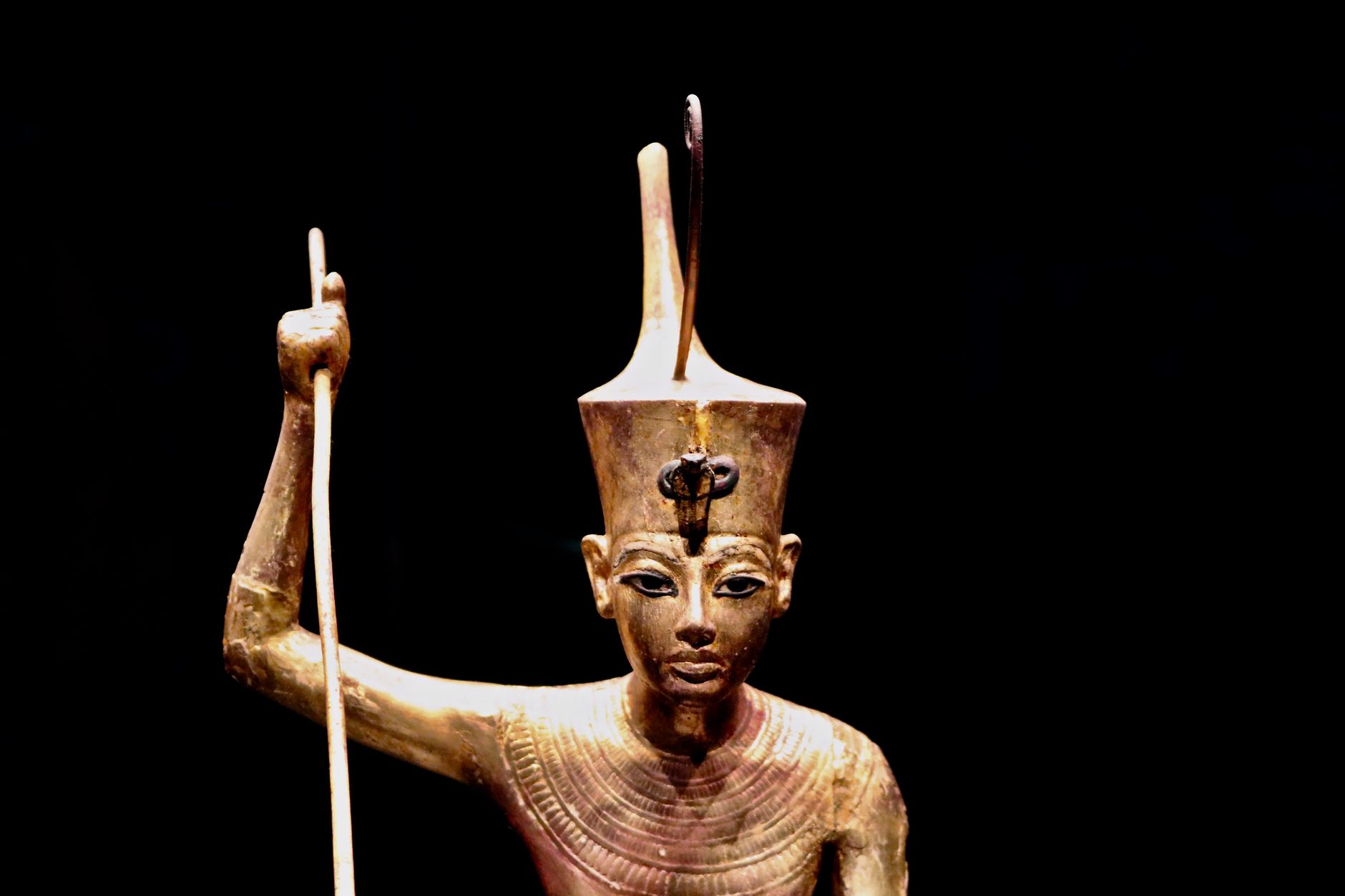
When a traveler steps into a boutique hotel suite in Luxor and feels the cool glide of Egyptian‑cotton sheets beneath their skin, they are not merely experiencing comfort—they are touching a story that began over three millennia ago, when a silver‑crowned king ruled the Nile from Tanis. Psusennes I, the Silver Pharaoh, is the invisible hand that shapes the brand Psusennes, a line of Pharaonic‑themed home furnishings that transforms modern luxury into an immersive tribute to ancient Egypt.
The Silver Pharaoh: History and Legend
Psusennes I (c. 1047‑1001 BC) ascended the throne during the tumultuous 21st Dynasty, a period when Egypt’s power was fragmented between Thebes and the northern city of Tanis. Unlike his war‑torn predecessors, Psusennes earned his epithet "the Silver Pharaoh" from the gleaming silver inlay of his burial mask—one of the few known examples of silver craftsmanship in the Bronze Age.
Archaeologists uncovered his tomb in the royal necropolis of Tanis, revealing a treasure trove of silver scarabs, gold‑plated jewelry, and finely woven linen. The discovery reshaped our understanding of early Egyptian metallurgy and textile production, showing that the ancient Nile Valley could rival the finest European courts of the same era.
From Tomb to Textile: The Birth of the Psusennes Brand
When the founders of Psusennes walked the silent corridors of Tanis in the 1990s, they were struck by the interplay of light on silver and the tactile richness of the linen fragments. They envisioned a brand that would translate those tactile sensations into contemporary luxury, targeting discerning travelers and five‑star hotels seeking an authentic Egyptian narrative.
Each collection is anchored to one of three sacred symbols: the Ankh (Key of Life), the Eye of Horus (protector of health), and the Feather of Ma'at (balance and truth). These icons are not decorative afterthoughts; they are meticulously crafted motifs that appear in brass inlays, hand‑embroidered silk, and laser‑etched glass, echoing the same precision that ancient artisans applied to royal regalia.
Luxor’s Hotels Embrace the Pharaonic Aesthetic
Luxor, the City of a Hundred Gates, thrives on a blend of ancient grandeur and modern hospitality. Hotels such as the Sofitel Winter Palace, the Steigenberger Nile Palace, and boutique gems like the Nubian Oasis Resort have partnered with Psusennes to furnish their suites, lobbies, and dining rooms. The result is a seamless transition from the bustling market streets to a private sanctuary where every cushion, chandelier, and bed linen whispers the legacy of the Silver Pharaoh.
In the Royal Suite of the Sofitel, the centerpiece is a hand‑carved mahogany bedframe crowned with an Ankh‑shaped headboard, its surface inlaid with 18‑carat silver that catches the sunrise over the Nile. The accompanying duvet set, woven from 100 % Egyptian cotton, features a subtle Eye of Horus pattern stitched in silver thread, offering both visual intrigue and a promise of protection for the weary traveler.
Craftsmanship That Mirrors Ancient Techniques
Psusennes employs master artisans from the villages of Al‑Mansoura and Giza, where centuries‑old weaving looms still produce the fine, long‑fiber cotton prized by pharaohs. The brand’s linen undergoes a triple‑picking process, mirroring the method used to create the original burial shrouds of Psusennes I, resulting in a fabric that is both buttery soft and remarkably durable.
Metalwork is equally reverent. Brass and silver components are hand‑hammered using tools modeled after those found in the Tanis workshop, then polished to a mirror finish that reflects the same radiant glow observed on the king’s funerary mask. Even the upholstery fabrics are dyed with natural pigments derived from indigo, madder root, and ochre—colors that adorned the walls of New Kingdom temples.
Design Philosophy: Symbolism as Experience
Every Psusennes piece is a narrative device. The Ankh, placed at the foot of a chaise lounge, serves as a visual reminder that hospitality is the key to eternal life. The Eye of Horus, etched onto bathroom mirrors, is believed to ward off negative energies, offering guests a sense of well‑being during their stay. The Feather of Ma'at, delicately suspended from ceiling lanterns, balances light and shadow, creating an atmosphere of measured elegance that mirrors the ancient Egyptian pursuit of harmony.
- Ankh‑inspired brass table bases – symbolize vitality and continuity.
- Eye of Horus glassware – crafted for fine dining, embodying protection and health.
- Feather of Ma'at wall art – hand‑painted on silk, representing truth and justice.
These elements are not merely decorative; they are experiential cues that align with the modern traveler’s desire for authenticity, storytelling, and a sense of place.
Why Luxury Travelers Choose Psusennes in Luxor
Today's high‑end tourists are sophisticated curators of memory. They seek environments that are both Instagram‑worthy and deeply rooted in the locale’s heritage. Psusennes delivers on both fronts. The brand’s commitment to ethical sourcing, sustainable production, and the preservation of ancient crafts resonates with eco‑conscious travelers, while the unmistakable Egyptian motifs satisfy the desire for cultural immersion.
Moreover, the brand’s presence in Luxor’s most prestigious hotels creates a virtuous cycle: the hotels gain a unique selling proposition, and Psusennes gains a platform to showcase the living legacy of Psusennes I. Guests leave with more than a souvenir; they carry a tactile story of a silver‑crowned king whose influence still gilds the modern world.
Explore the Collections and Step Into History
Whether you are a hotel designer seeking a signature look, a traveler yearning for a night wrapped in the elegance of ancient Egypt, or a connoisseur of fine furnishings, Psusennes invites you to explore its curated collections. Each piece is a bridge between the timeless splendor of Psusennes I’s reign and the contemporary luxury that defines Luxor today. Visit our showroom in Luxor or browse online to experience the silver sheen, the soft whisper of Egyptian cotton, and the eternal symbols that have guided pharaohs for millennia.